
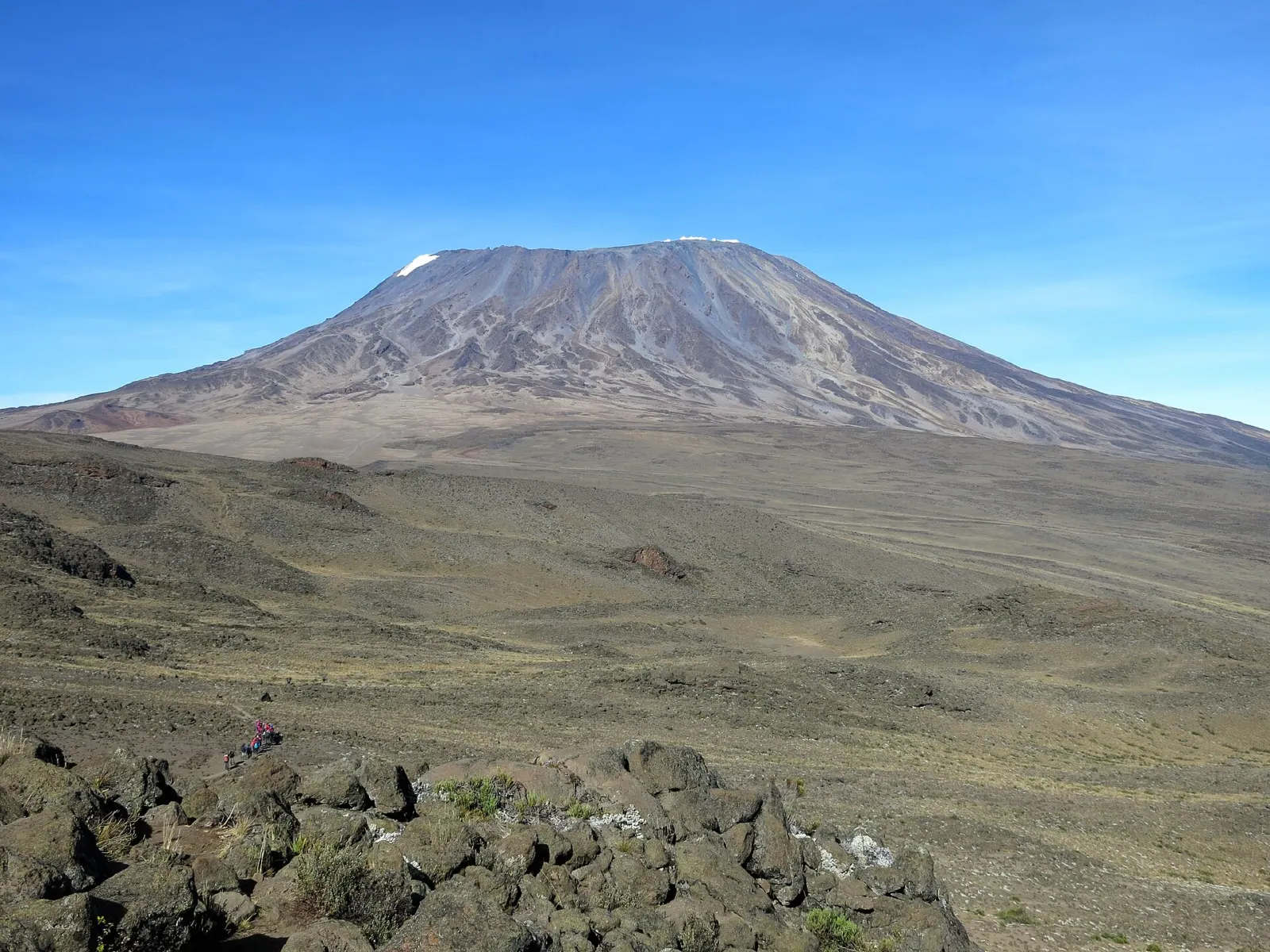
7-Day Kilimanjaro Climb — Machame Route
Tanzania · 7 Days / 6 Nights · Road Safari
Duration
7 Days
Destinations
Tanzania
Transport
Road Safari
Style
Mountaineering
Difficulty
Challenging
Price
On request
Overview
Kilimanjaro is Africa's highest mountain and the tallest free-standing mountain in the world, rising from farmland and rainforest to the glaciers of Kibo. Reaching Uhuru Peak at 5,895m needs no technical climbing — just fitness, patience and a well-paced route. The Machame route is one of the most scenic ways up, crossing the Shira Plateau, passing the Lava Tower and climbing the Barranco Wall before the final push from Barafu Camp. Its climb-high, sleep-low profile gives your body a real chance to acclimatise, which is why it has a good summit success rate.
Highlights
- Stand on Uhuru Peak, the highest point in Africa
- The Shira Plateau and Lava Tower
- Scrambling up the Barranco Wall
- Sunrise over the glaciers of Kibo
- Climb-high, sleep-low acclimatisation
Day-by-Day Itinerary
After registering at Machame Gate (1,800m), trek through dense montane rainforest to Machame Camp (3,000m).
- Meals
- Breakfast, lunch, dinner
- Overnight
- Machame Camp
Leave the forest for heath and moorland, climbing onto the Shira Plateau to Shira Camp (3,850m) with wide views of Kibo.
- Meals
- Breakfast, lunch, dinner
- Overnight
- Shira Camp
Climb to the Lava Tower (4,600m) for acclimatisation, then descend into the Barranco Valley to camp at 3,950m.
- Meals
- Breakfast, lunch, dinner
- Overnight
- Barranco Camp
Scramble up the Barranco Wall — steep but not technical — then traverse ridges and valleys to Karanga Camp (4,000m).
- Meals
- Breakfast, lunch, dinner
- Overnight
- Karanga Camp
A short climb over rocky terrain to Barafu Camp (4,600m). An early dinner and rest before the summit night.
- Meals
- Breakfast, lunch, dinner
- Overnight
- Barafu Camp
Set off around midnight, reaching Stella Point on the crater rim and then Uhuru Peak (5,895m) around sunrise. Descend to Mweka Camp (3,100m).
- Meals
- Breakfast, lunch, dinner
- Overnight
- Mweka Camp
A final descent through the rainforest to Mweka Gate to collect your summit certificate.
- Meals
- Breakfast, lunch, dinner
Day 1: Machame Gate to Machame Camp. After registering at Machame Gate (1,800m), trek through dense montane rainforest to Machame Camp (3,000m).
Day 2: Machame Camp to Shira Camp. Leave the forest for heath and moorland, climbing onto the Shira Plateau to Shira Camp (3,850m) with wide views of Kibo.
Day 3: Lava Tower to Barranco Camp. Climb to the Lava Tower (4,600m) for acclimatisation, then descend into the Barranco Valley to camp at 3,950m.
Day 4: Barranco Wall to Karanga Camp. Scramble up the Barranco Wall — steep but not technical — then traverse ridges and valleys to Karanga Camp (4,000m).
Day 5: Karanga Camp to Barafu Camp. A short climb over rocky terrain to Barafu Camp (4,600m). An early dinner and rest before the summit night.
Day 6: Summit Uhuru Peak and descend to Mweka. Set off around midnight, reaching Stella Point on the crater rim and then Uhuru Peak (5,895m) around sunrise. Descend to Mweka Camp (3,100m).
Day 7: Mweka Camp to Mweka Gate. A final descent through the rainforest to Mweka Gate to collect your summit certificate.
What’s Included
- Licensed mountain guide, assistant guides, porters and cook
- Park, conservation and camping or hut fees
- All meals and drinking water on the mountain
- Tents, sleeping mats and group camping equipment (camping routes)
- Park gate transfers at the start and end of the climb
- Pulse oximeter checks and a first-aid kit carried by the guide
What’s Excluded
- International flights and visas
- Personal climbing kit — boots, layered clothing, sleeping bag
- Travel insurance covering high-altitude trekking and evacuation
- Tips for guides, porters and cook
Optional Add-ons
Frequently Asked Questions
For the trekking routes, no — they need good fitness and determination rather than technical skill. We'll tell you honestly if a route involves scrambling, ropes or glacier travel, and match you to something that fits your experience.
Our itineraries are paced to acclimatise, guides check oxygen saturation and symptoms daily, and anyone struggling descends — the only reliable cure. Choosing a route with more days on the mountain is the best way to improve your chances of summiting.
The drier months — roughly January to early March and June to October — give the clearest skies and firmest trails. The long rains (April and May) make routes wet and cold, though many climbs still run.
Yes. We can hire sleeping bags, down jackets, trekking poles and more locally, so you don't need to fly with everything.
You Might Also Like
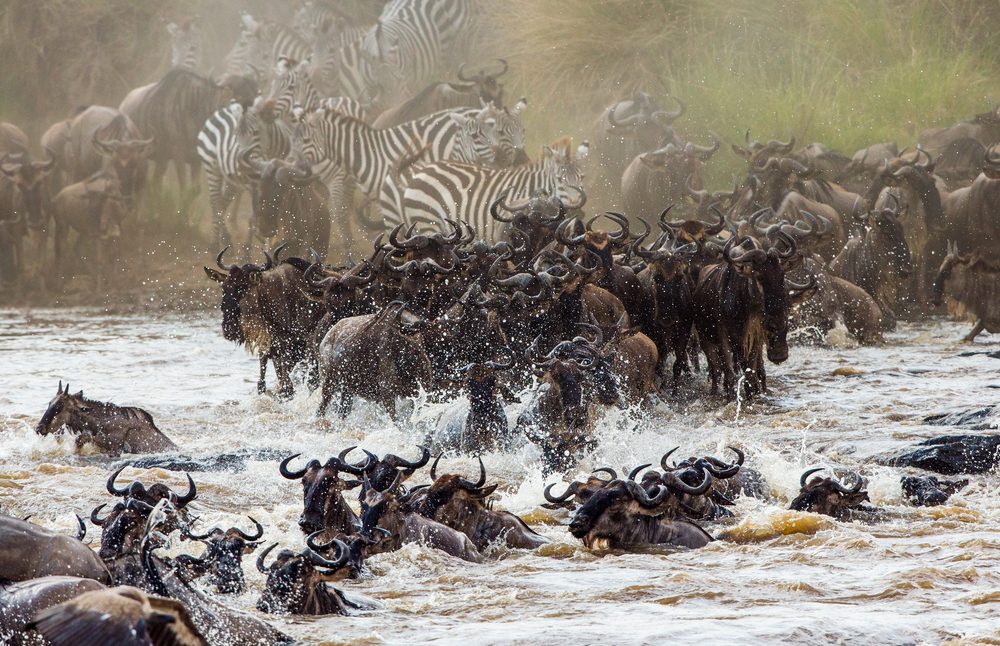
4 Day Serengeti Great Migration Fly-In Safari
Skip the long road transfers — a light-aircraft safari deep into the Serengeti's migration corridors.
USD 2,450
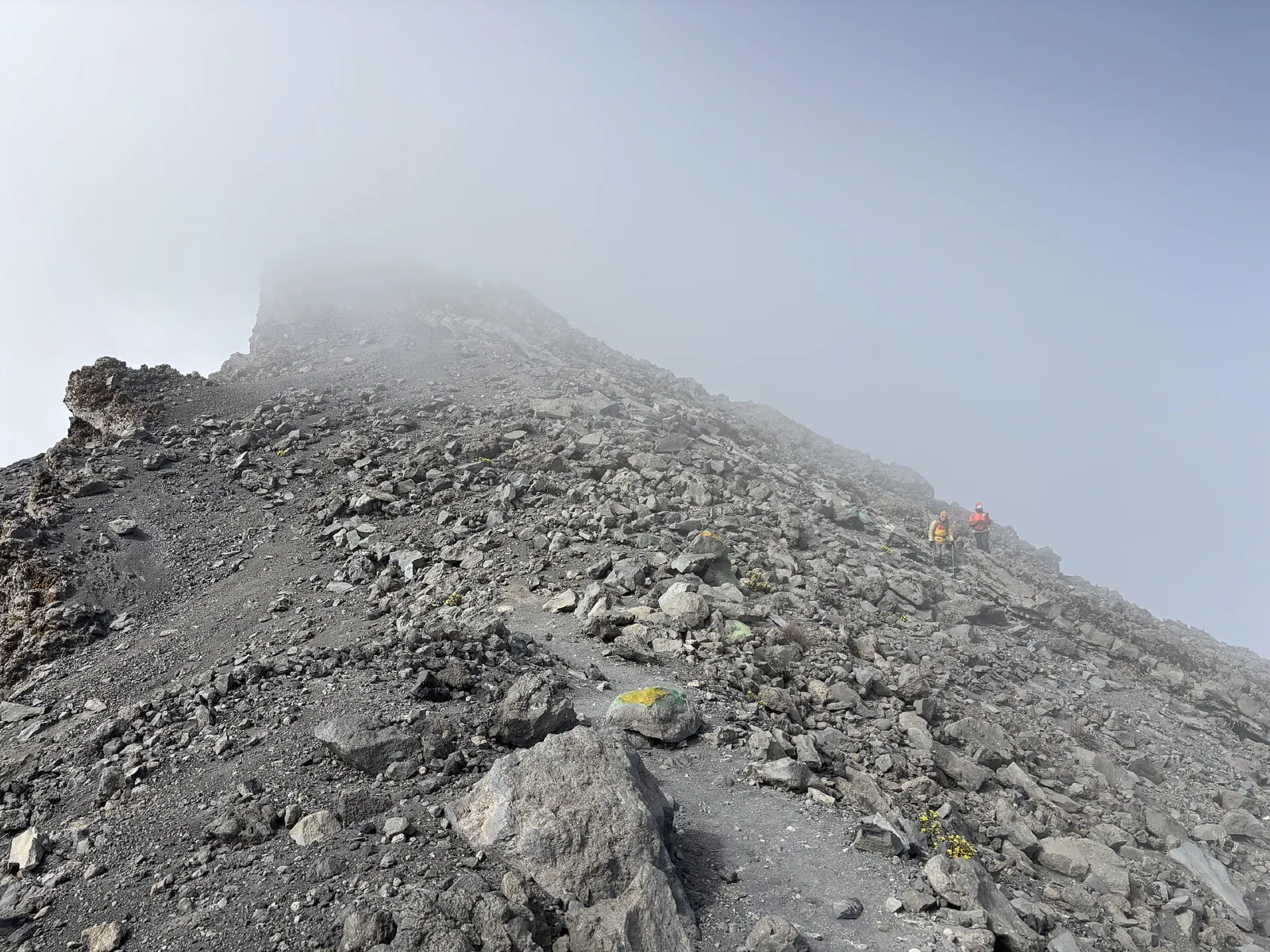
4-Day Mount Meru Climb
Climb Tanzania's second-highest mountain (4,566m) through Arusha National Park, with wildlife on the lower slopes and views of Kilimanjaro from the summit.
On request
Price
On request