4-Day Mount Elgon — Sasa Trail to Wagagai Peak
Uganda · 4 Days / 3 Nights · Road Safari
Duration
4 Days
Destinations
Uganda
Transport
Road Safari
Style
Mountaineering
Difficulty
Moderate to challenging
Price
On request
Overview
Mount Elgon is an ancient extinct volcano with one of the largest calderas on earth, rising above the coffee farms and waterfalls of eastern Uganda. It's far quieter than Kilimanjaro or Mount Kenya and needs no technical skill, making it a superb introduction to East African mountains. The Sasa trail is the most direct route to Wagagai, the highest point on the caldera rim, passing through bamboo forest and heath to open moorland dotted with giant groundsels.
Highlights
- Wagagai Peak (4,321m) on the caldera rim
- One of the largest volcanic calderas on earth
- Quiet trails with few other climbers
- Bamboo forest and giant groundsels
- Easy to combine with Sipi Falls
Day-by-Day Itinerary
Begin in Budadiri and climb steeply through farmland and the "wall of death" ridge into bamboo forest, to Sasa River Camp (2,900m).
- Meals
- Breakfast, lunch, dinner
- Overnight
- Sasa River Camp
A gentler climb through heath and moorland to Mude Cave Camp (3,500m).
- Meals
- Breakfast, lunch, dinner
- Overnight
- Mude Cave Camp
Cross the caldera rim to Wagagai Peak (4,321m) for sweeping views, then return to Mude Cave.
- Meals
- Breakfast, lunch, dinner
- Overnight
- Mude Cave Camp
Descend the Sasa trail back to Budadiri and your transfer.
- Meals
- Breakfast, lunch, dinner
Day 1: Budadiri to Sasa River Camp. Begin in Budadiri and climb steeply through farmland and the "wall of death" ridge into bamboo forest, to Sasa River Camp (2,900m).
Day 2: Sasa River Camp to Mude Cave. A gentler climb through heath and moorland to Mude Cave Camp (3,500m).
Day 3: Summit Wagagai Peak. Cross the caldera rim to Wagagai Peak (4,321m) for sweeping views, then return to Mude Cave.
Day 4: Mude Cave to Budadiri. Descend the Sasa trail back to Budadiri and your transfer.
What’s Included
- Licensed mountain guide, assistant guides, porters and cook
- Park, conservation and camping or hut fees
- All meals and drinking water on the mountain
- Tents, sleeping mats and group camping equipment (camping routes)
- Park gate transfers at the start and end of the climb
- Pulse oximeter checks and a first-aid kit carried by the guide
What’s Excluded
- International flights and visas
- Personal climbing kit — boots, layered clothing, sleeping bag
- Travel insurance covering high-altitude trekking and evacuation
- Tips for guides, porters and cook
Optional Add-ons
Frequently Asked Questions
For the trekking routes, no — they need good fitness and determination rather than technical skill. We'll tell you honestly if a route involves scrambling, ropes or glacier travel, and match you to something that fits your experience.
Our itineraries are paced to acclimatise, guides check oxygen saturation and symptoms daily, and anyone struggling descends — the only reliable cure. Choosing a route with more days on the mountain is the best way to improve your chances of summiting.
The drier months — roughly January to early March and June to October — give the clearest skies and firmest trails. The long rains (April and May) make routes wet and cold, though many climbs still run.
Yes. We can hire sleeping bags, down jackets, trekking poles and more locally, so you don't need to fly with everything.
You Might Also Like
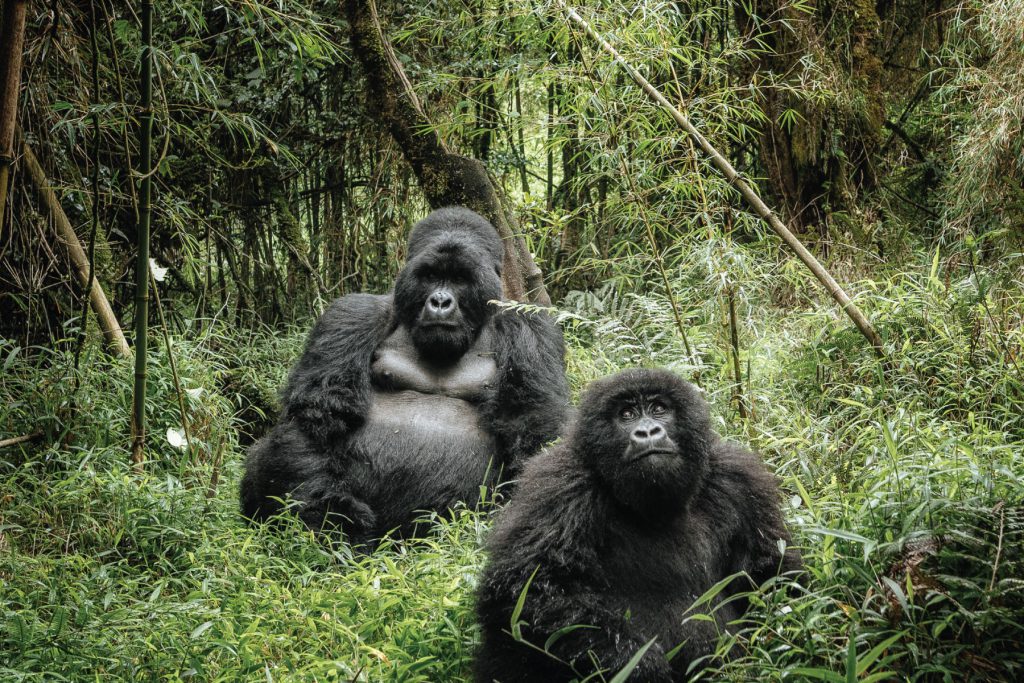
3 Day Bwindi Gorilla Trekking Safari
One permitted gorilla trek in Bwindi Impenetrable Forest, with lodge stays either side.
USD 1,350
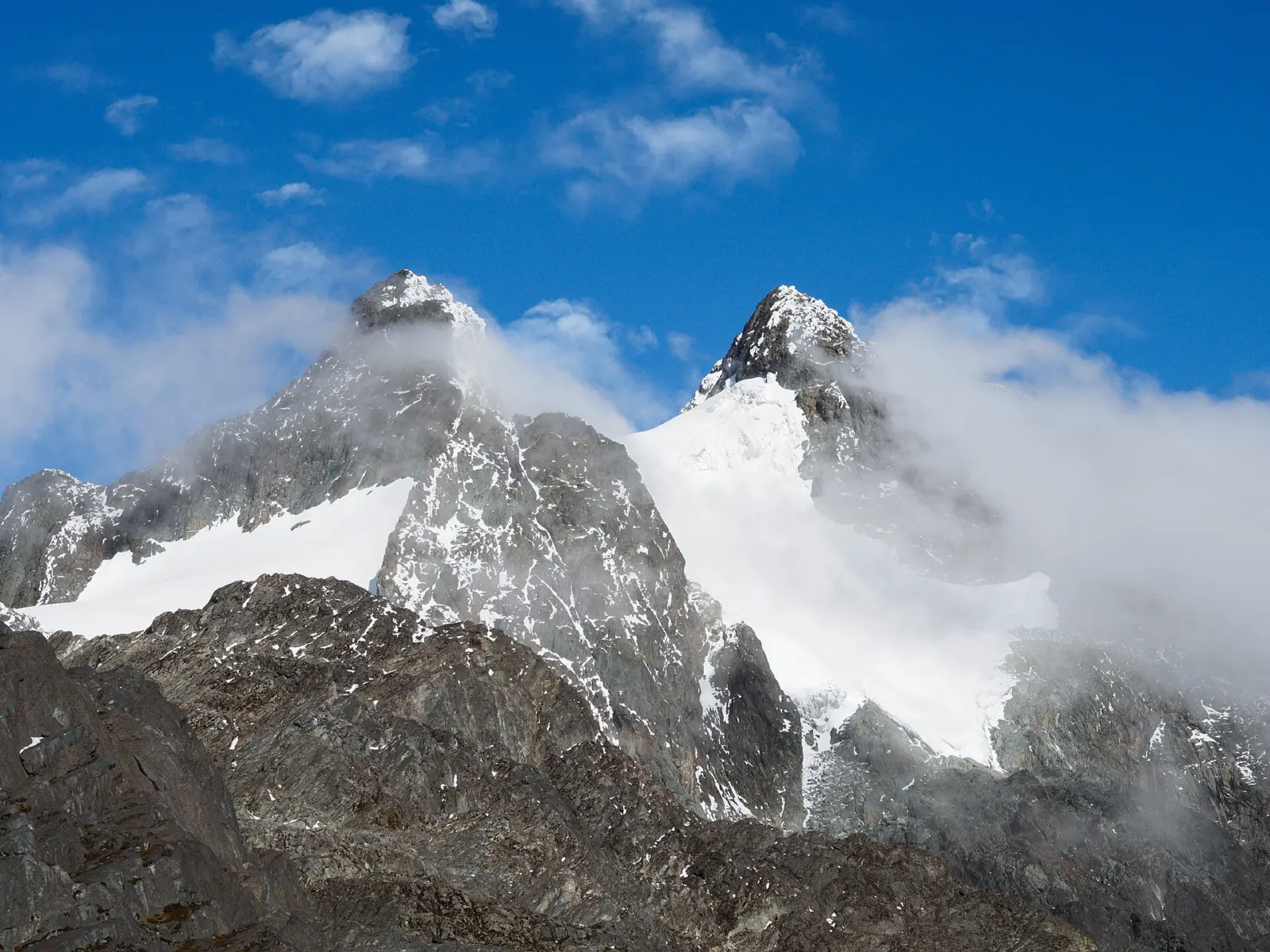
9-Day Rwenzori Mountains — Margherita Peak
Climb to Margherita Peak (5,109m), Africa's third-highest summit, through the otherworldly bogs, giant heathers and glaciers of the Mountains of the Moon.
On request
Price
On request