2-Day Mount Karisimbi Climb
Rwanda · 2 Days / 1 Night · Road Safari
Duration
2 Days
Destinations
Rwanda
Transport
Road Safari
Style
Mountaineering
Difficulty
Challenging
Price
On request
Overview
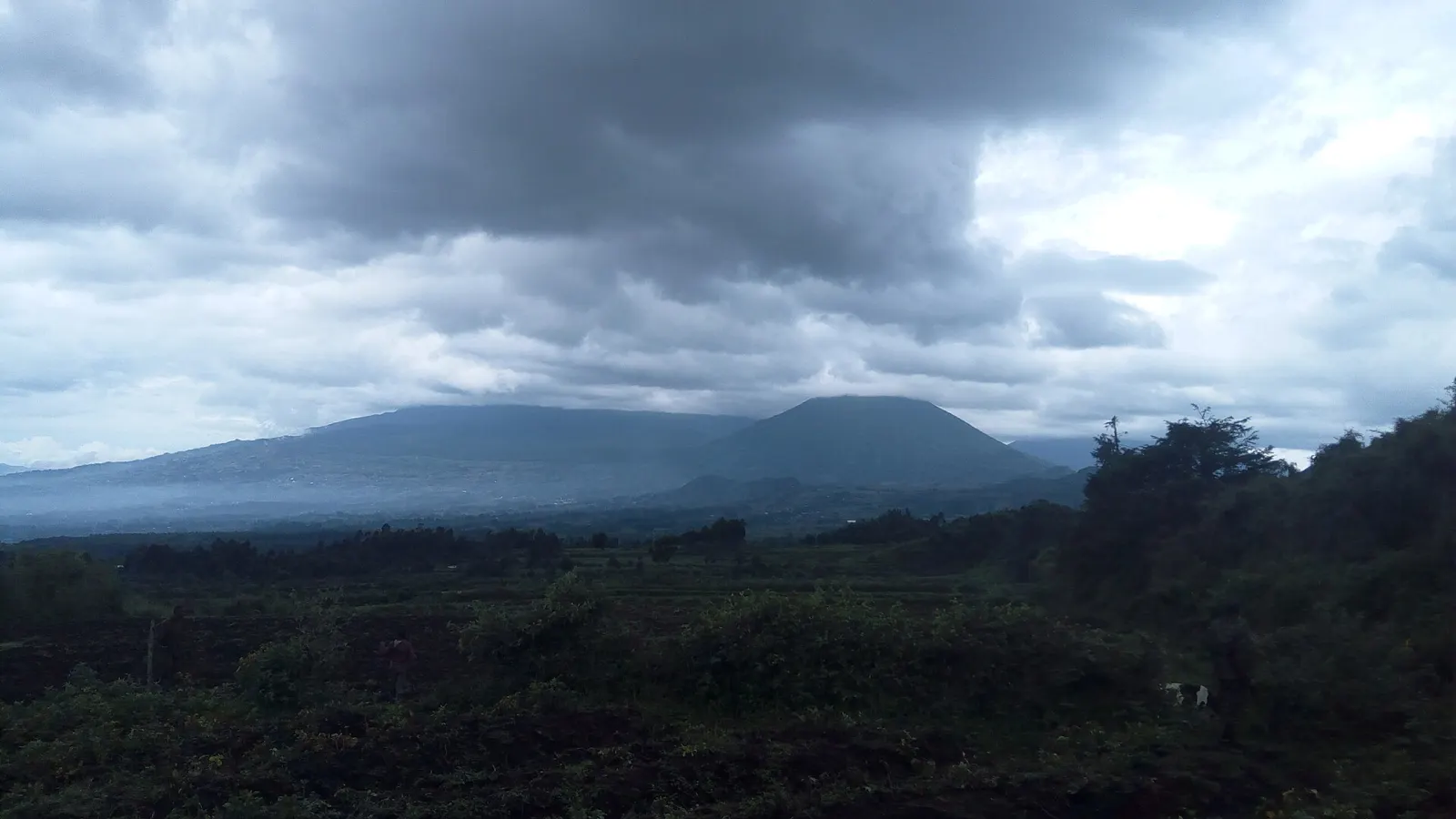
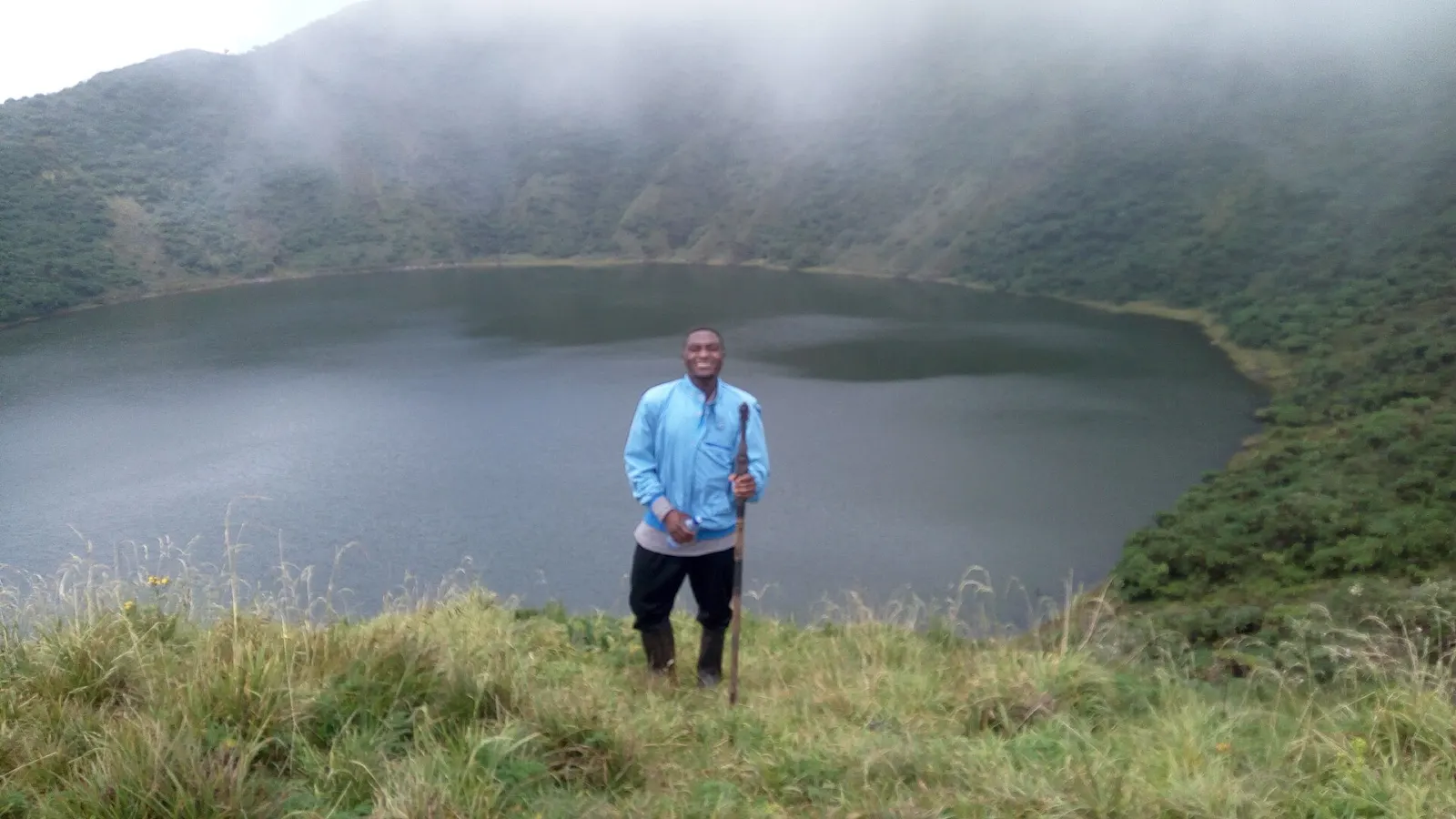
Karisimbi is the highest of the Virunga volcanoes and the highest point in Rwanda. The climb is a real adventure: a long, muddy ascent through bamboo and hagenia forest, an overnight camp at around 3,700m, and a cold dawn push to a summit that is sometimes dusted with frost or hail. It's non-technical but demanding, and rewards climbers with views over the whole volcano chain and into DR Congo and Uganda.
Highlights
- Rwanda's highest summit at 4,507m
- An overnight camp high on a Virunga volcano
- Views into Rwanda, Uganda and DR Congo
- Afro-alpine vegetation above the forest line
- Pairs naturally with gorilla trekking
Day-by-Day Itinerary
Brief at the Kinigi park headquarters, then climb through bamboo and hagenia forest to a tented camp at around 3,700m.
- Meals
- Breakfast, lunch, dinner
- Overnight
- Mountain tented camp
An early start for the final climb to the summit (4,507m), then descend all the way to the park headquarters and your transfer.
- Meals
- Breakfast, lunch, dinner
Day 1: Kinigi to high camp. Brief at the Kinigi park headquarters, then climb through bamboo and hagenia forest to a tented camp at around 3,700m.
Day 2: Summit Karisimbi and descend. An early start for the final climb to the summit (4,507m), then descend all the way to the park headquarters and your transfer.
What’s Included
- Licensed mountain guide, assistant guides, porters and cook
- Park, conservation and camping or hut fees
- All meals and drinking water on the mountain
- Tents, sleeping mats and group camping equipment (camping routes)
- Park gate transfers at the start and end of the climb
- Pulse oximeter checks and a first-aid kit carried by the guide
What’s Excluded
- International flights and visas
- Personal climbing kit — boots, layered clothing, sleeping bag
- Travel insurance covering high-altitude trekking and evacuation
- Tips for guides, porters and cook
Optional Add-ons
Frequently Asked Questions
For the trekking routes, no — they need good fitness and determination rather than technical skill. We'll tell you honestly if a route involves scrambling, ropes or glacier travel, and match you to something that fits your experience.
Our itineraries are paced to acclimatise, guides check oxygen saturation and symptoms daily, and anyone struggling descends — the only reliable cure. Choosing a route with more days on the mountain is the best way to improve your chances of summiting.
The drier months — roughly January to early March and June to October — give the clearest skies and firmest trails. The long rains (April and May) make routes wet and cold, though many climbs still run.
Yes. We can hire sleeping bags, down jackets, trekking poles and more locally, so you don't need to fly with everything.
Price
On request